Open Source and Science at IGST
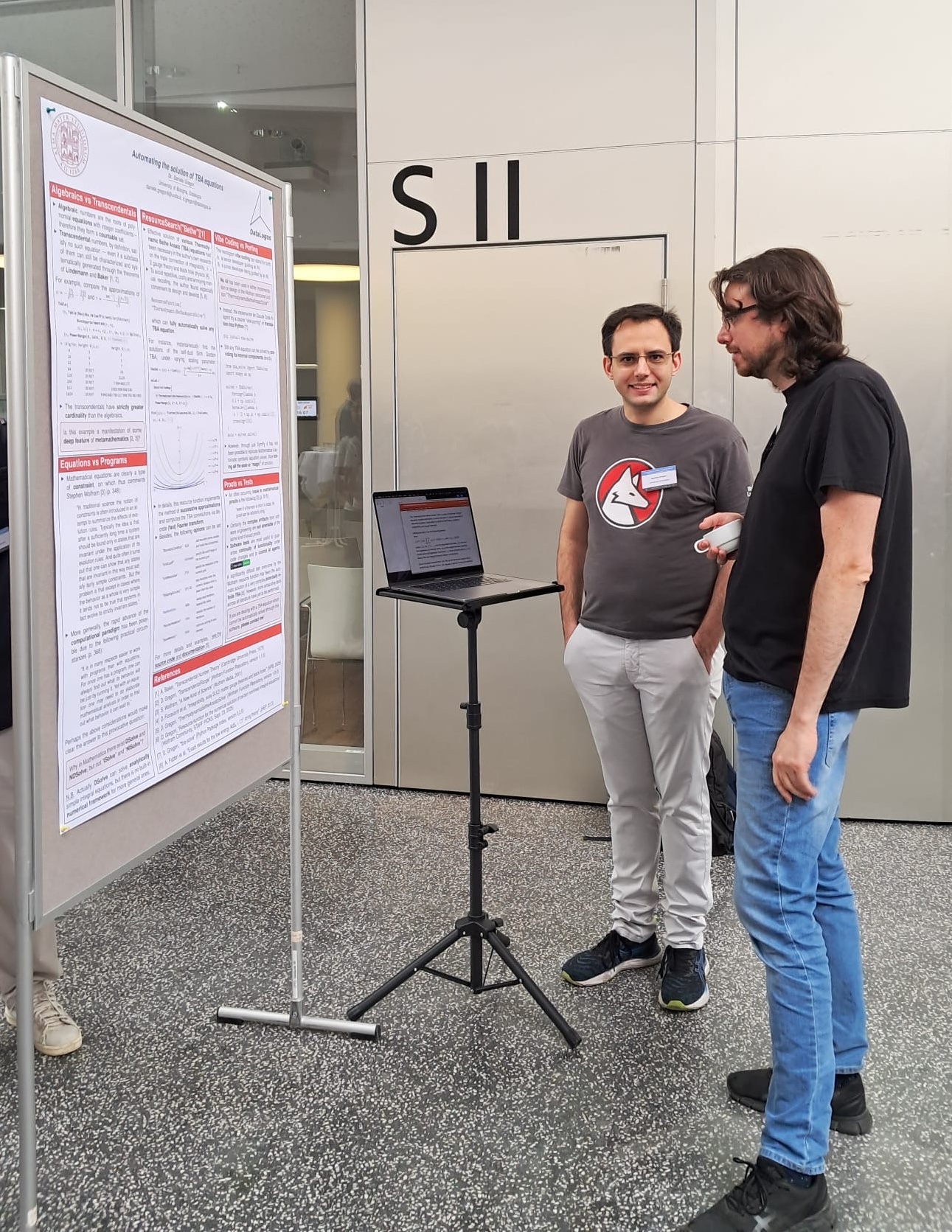
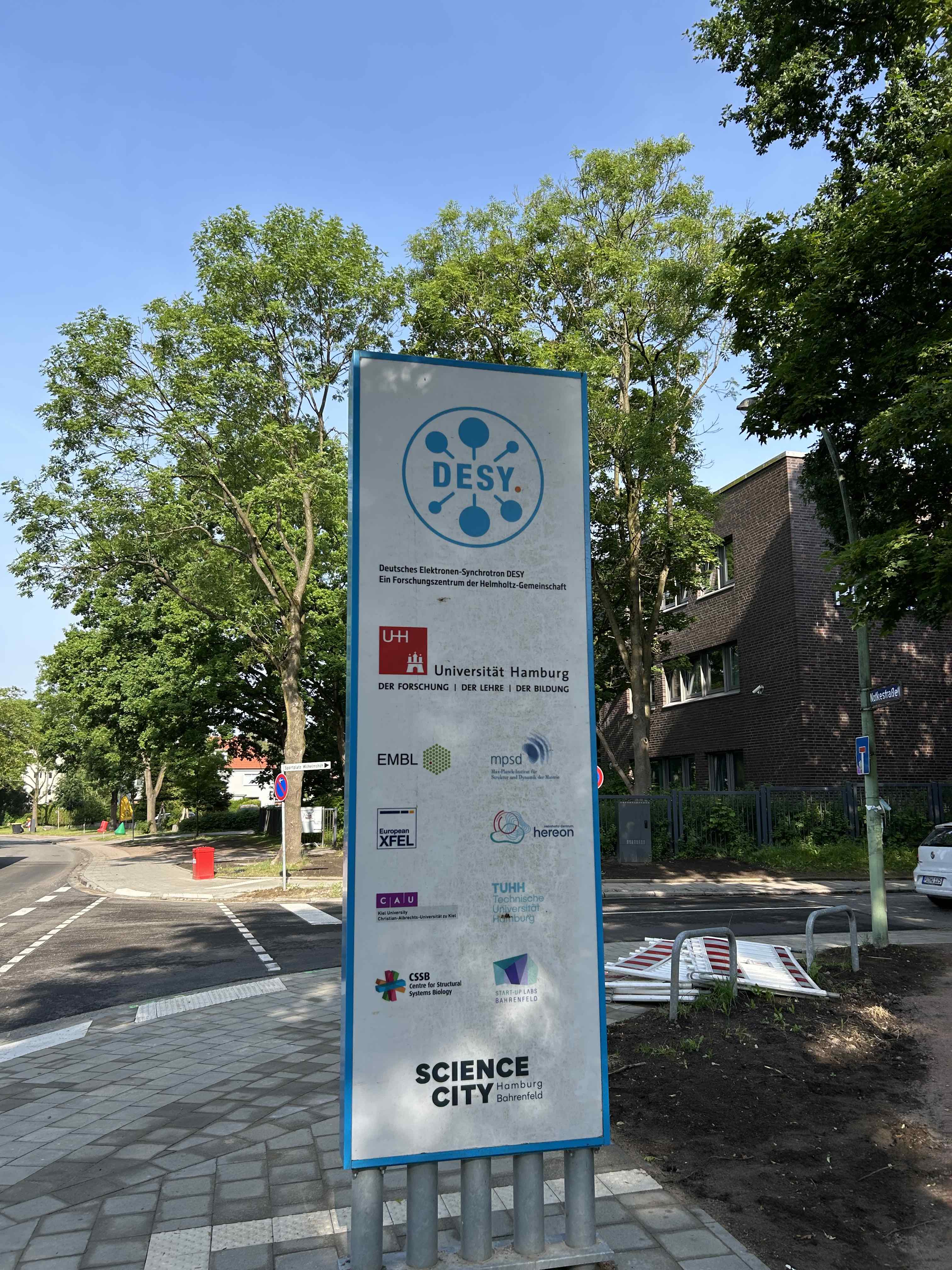
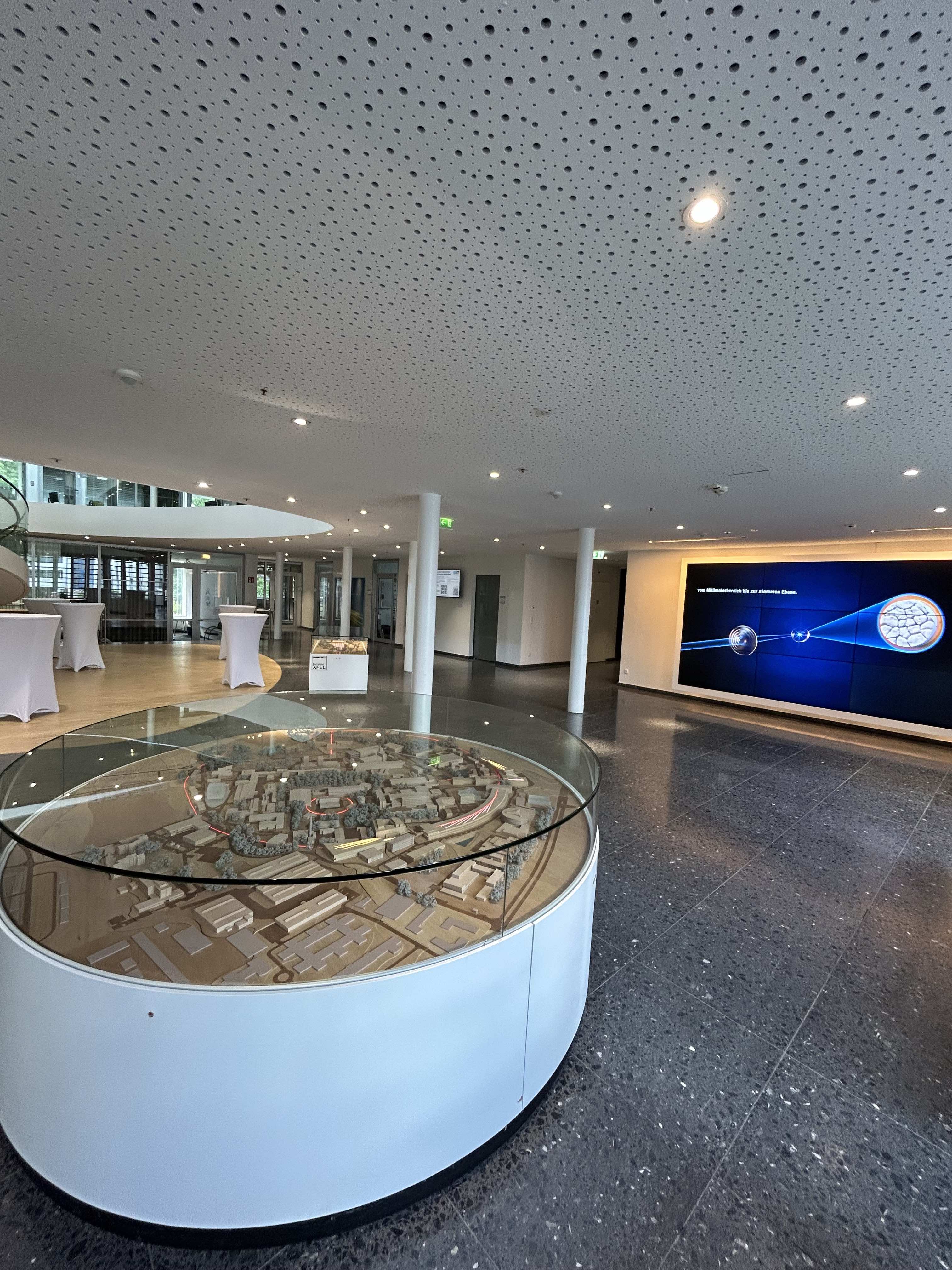
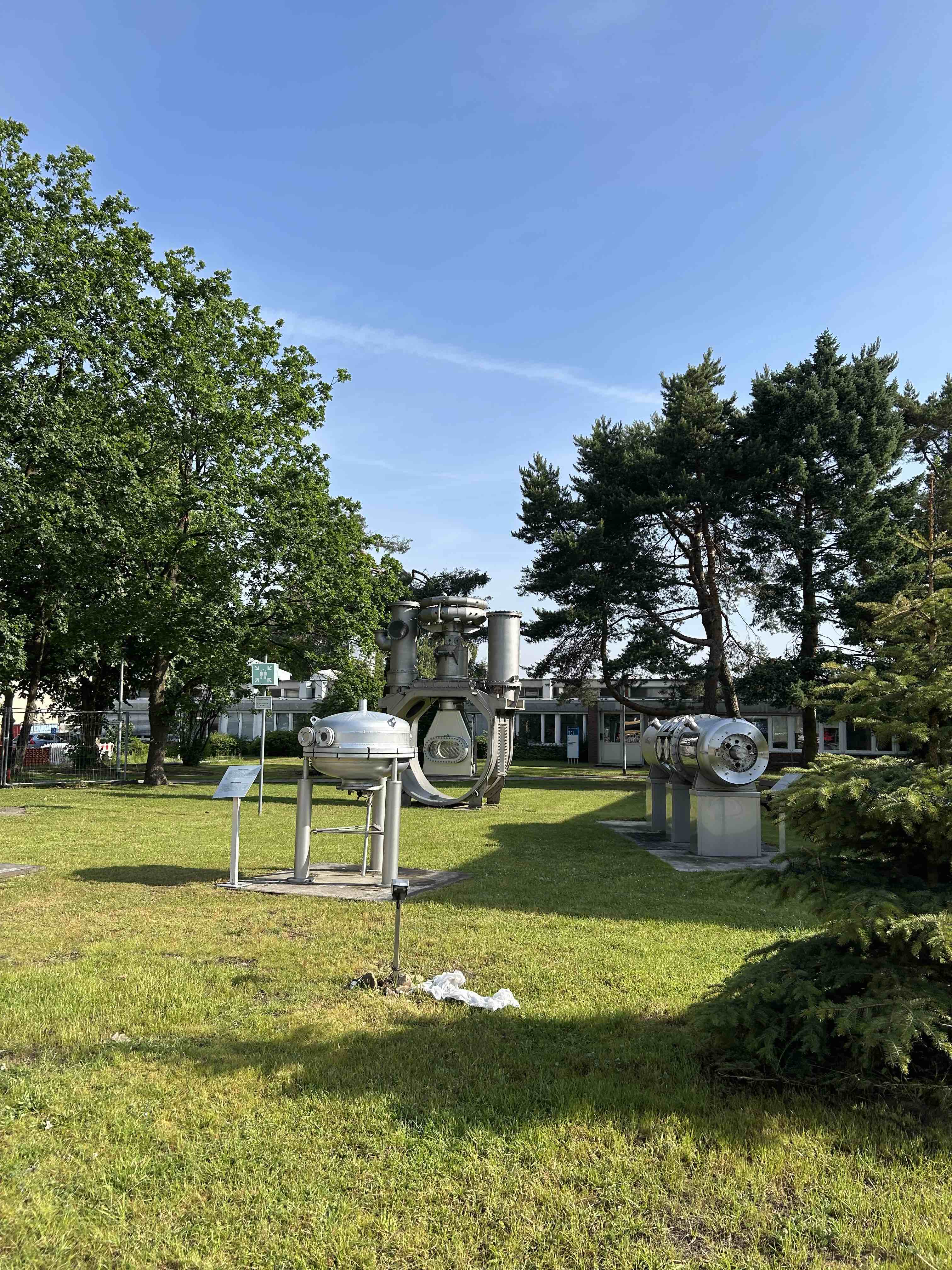
It was a pleasure to attend again, for the fifth time, the Integrability in Gauge and String Theory (IGST) conference, held last June in DESY, Hamburg.
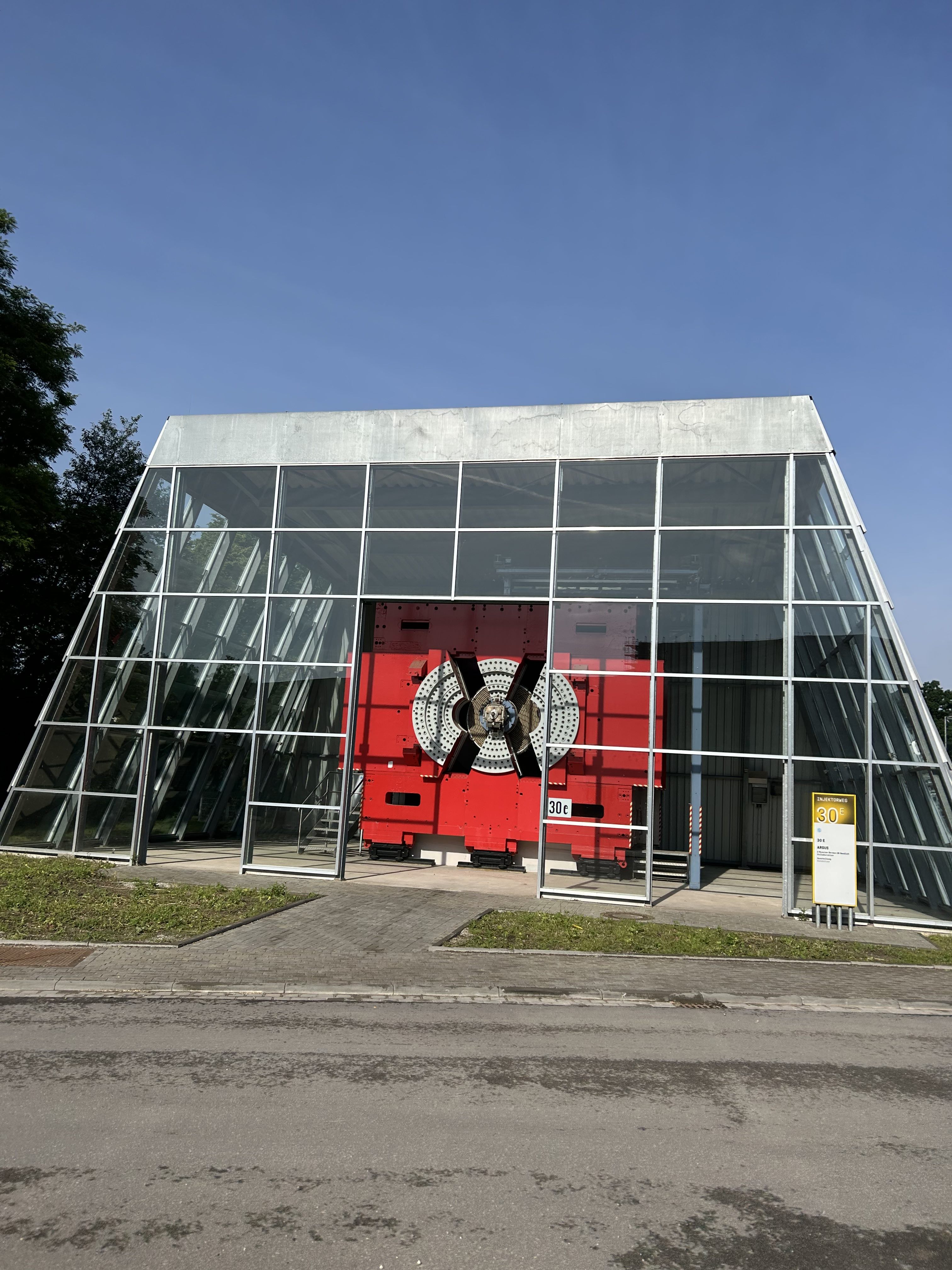
After attending IGST all years from 2019 to 2022, I had paused mainly because I had no new published research to present. So even if my postdoc papers are still languishing, I felt satisfied to present a different kind of intellectual artefact: a software.
Born as a tool to aid my own research, I published it both under the expert review of the Wolfram Function Repository and as a somewhat more limited open source Python package:
ResourceFunction[“ThermodynamicBetheAnsatzSolve”]
pip install tba-solve
To understand better its scientific goal - solving non-linear integral equations of thermodynamic Bethe ansatz type - I recommend reading the previous Wolfram community post as well as the documentation. At DESY I presented this resource function with a humble academic poster, with a deliberatively more philosophical than technical slant, describing:
- Algebraics vs Transcendentals: foundations of number theory and metamathematics;
- Equations vs Programs: on ruliology and why general integral equations solvers do not exist in Mathematica;
- ResourceSearch[“Bethe”][1]: the Wolfram software itself;
- Vibe Coding vs Porting: why I avoided AI coding except for the Python port;
- Proofs vs Tests: again on metamathematics and a pending collaboration offer.
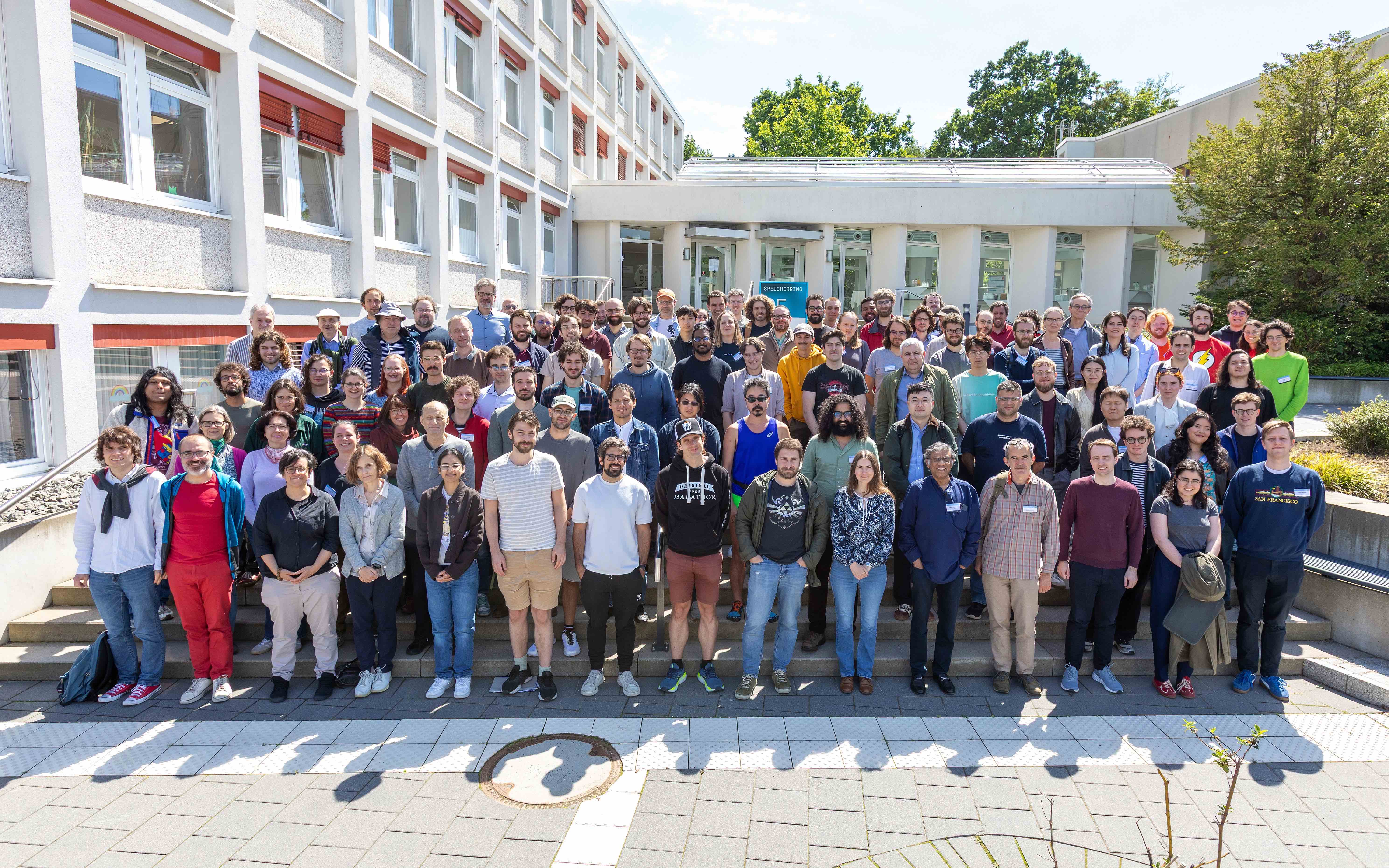
So I discussed this at length and also demonstrated it live on my computer with many of my former colleagues: students, researchers and professors. The most uplifting feedback I received from professor Sylvain Lacroix, who said he had already discovered and used my tool and it worked! Several other people said to be working on similar problems, which might require small or large modifications of my code.
As discussed with Sylvain, an innovative aspect of my contribution has been the very fact of sharing this code to make other researchers’ work easier and allow them to build further on it. As the research engineer Sebastian Raschka claimed in his keynote talk at another great conference PyCon DE 2026:
“Papers leave out many details, but working code does not lie”.