The Institute for Advanced Study
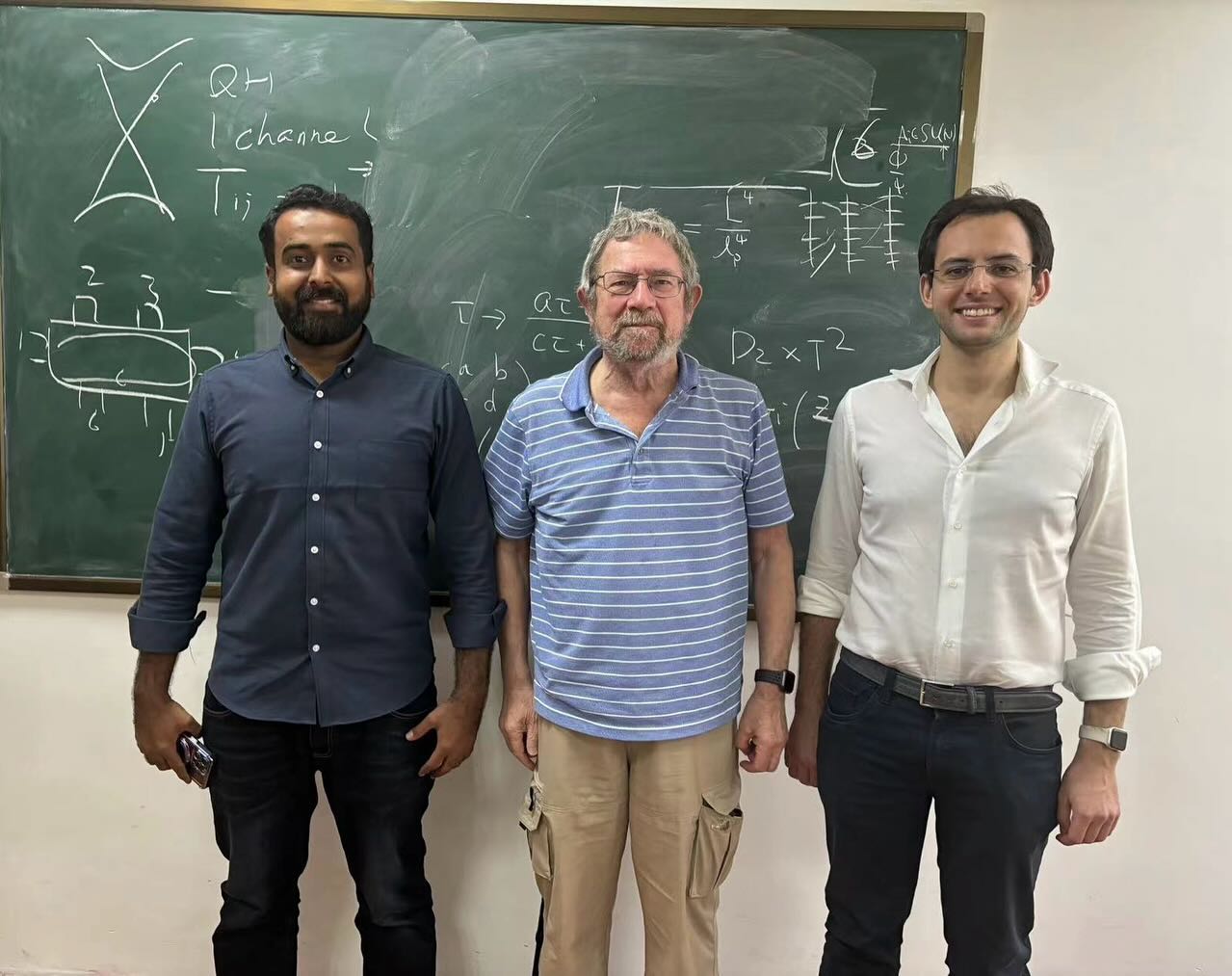
The Institute for Advanced Study is one and only!
Definitely, founded in Princeton in 1930, it harboured most of the founders of modern physics and mathematics: such as Einstein, Gödel, von Neumann, Oppenheimer (as the movie shows). Along a century it continued to host scientific excellence, so that even today all living theoretical physicists whose single papers top the 10,000 citations confer there.
Still, this fact does not forbid various “mock IAS” versions to sprout… I recently started a postdoc in precisely one of the latter kind of abode: the “Institute for Advanced Study Soochow University”.
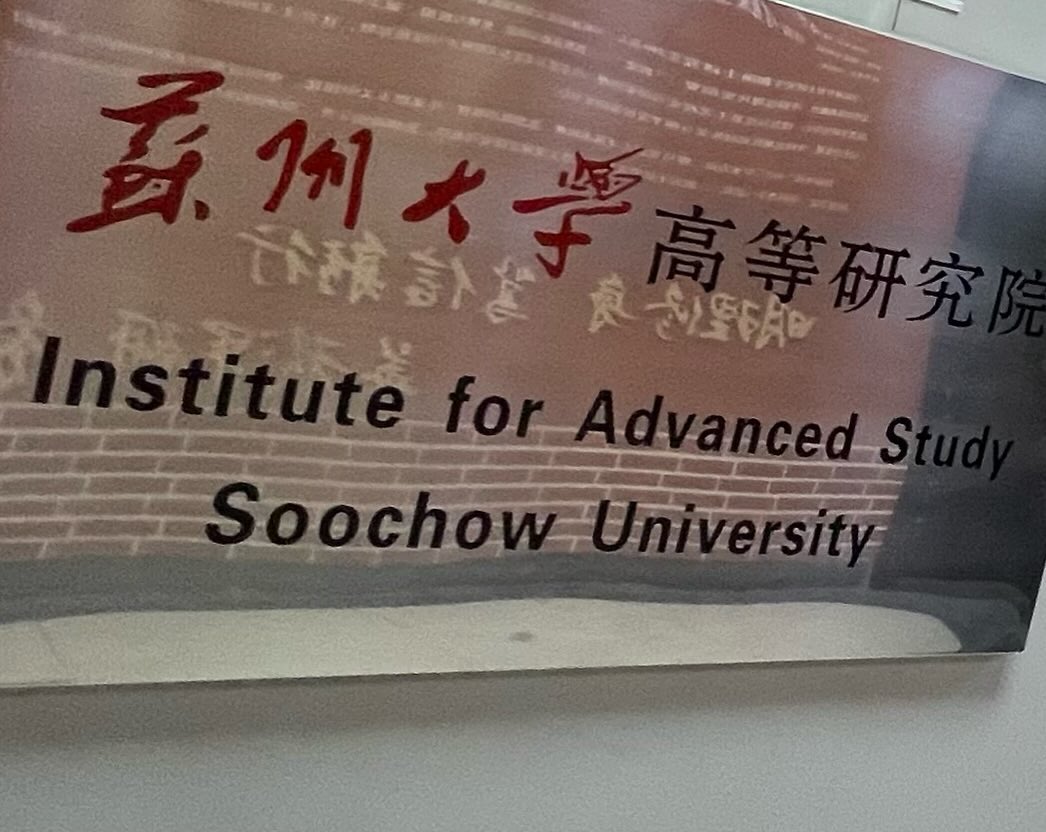
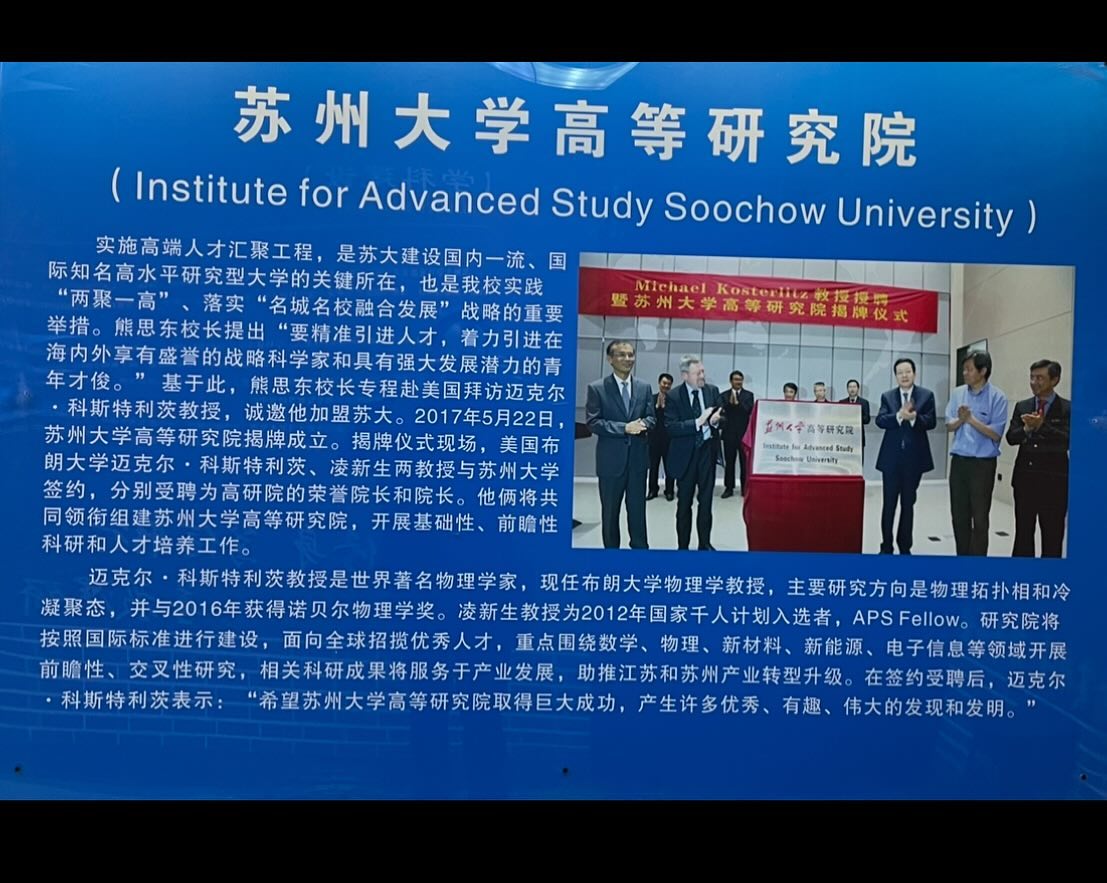
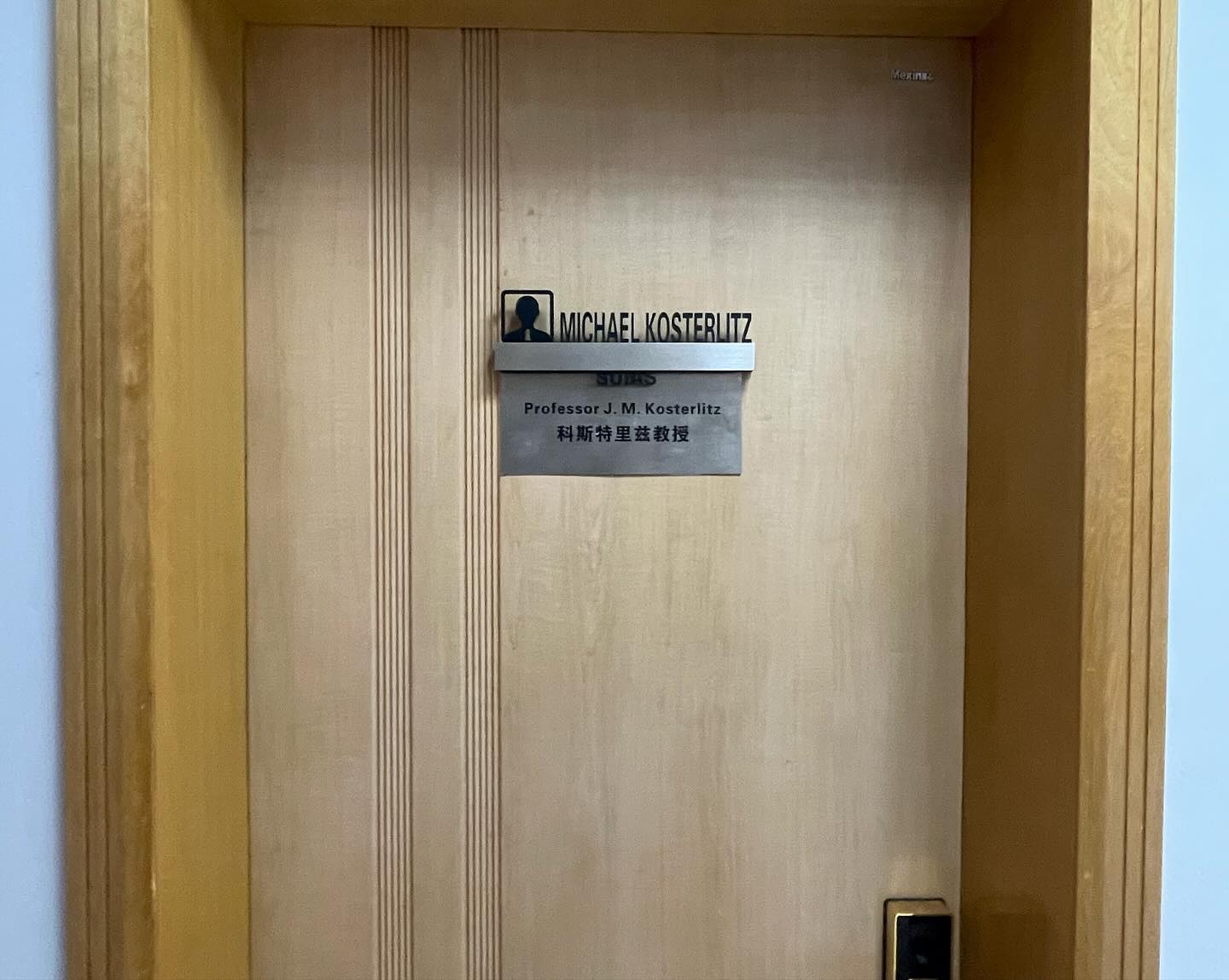

To be honest, we are a pretty small group. However, we are honoured to have sometimes with us Prof. Michael Kosterlitz. He has been a pioneer of the study of topological phase transitions of matter, for which he was awarded, in 2016, nothing less than the Nobel prize!
He appears to know well also the so-called Bethe Ansatz (BA), that is a method for “completely solving” physical systems, by means of especially intricate mathematical equations. In fact, BA was initially invented within Kosterlitz's field: condensed matter. However, in more recent years, the BA received plenty of unexpected applications, ranging from quantum optics, to string theory and black holes.
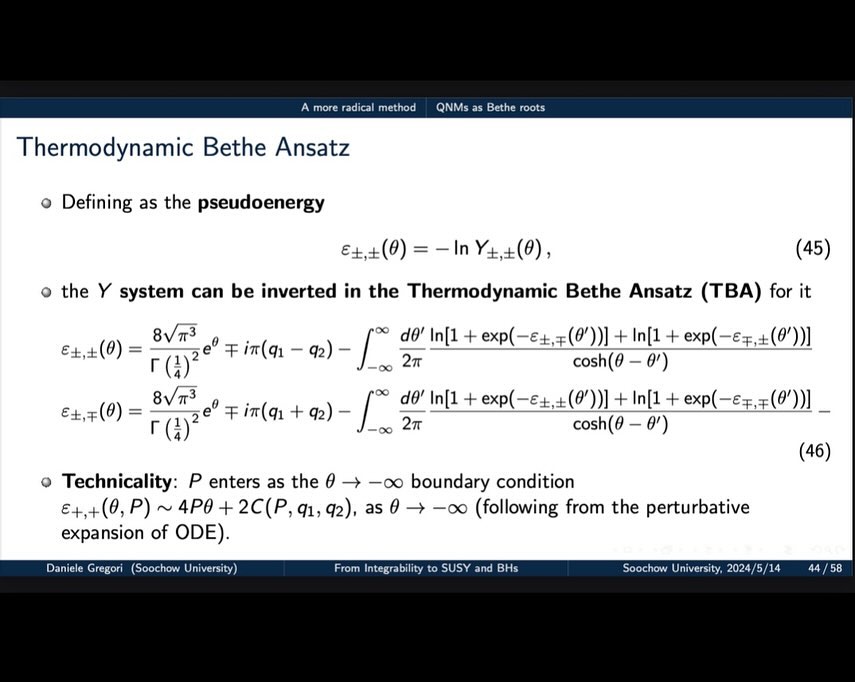
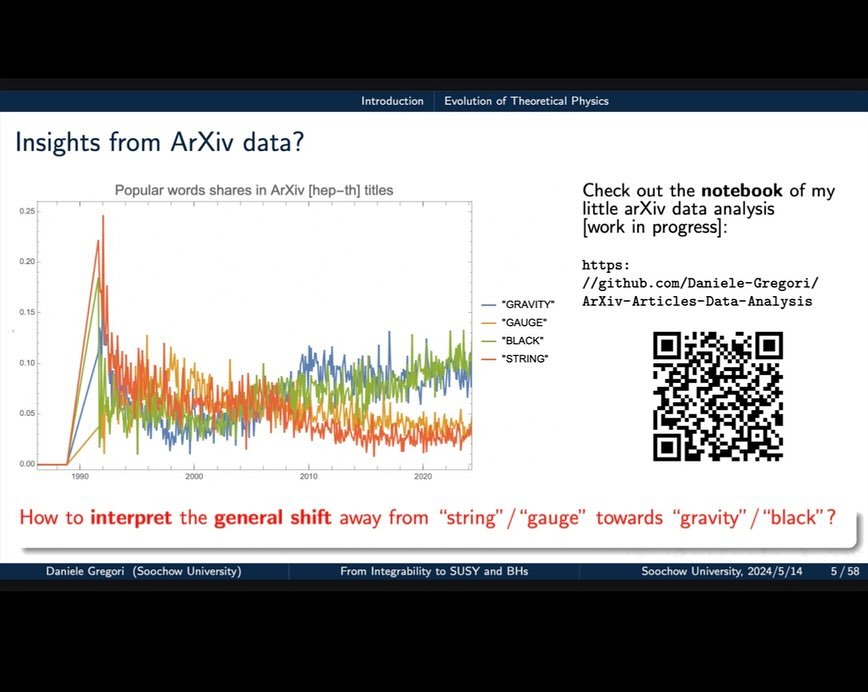
I was honoured to briefly lecture him on the latter and, more generally, on gravitational waves (GW), with my colleague Dr. Arshad Ali. Eventually he uttered: “I was exposed to so much new information that my brain stopped taking in anything!”
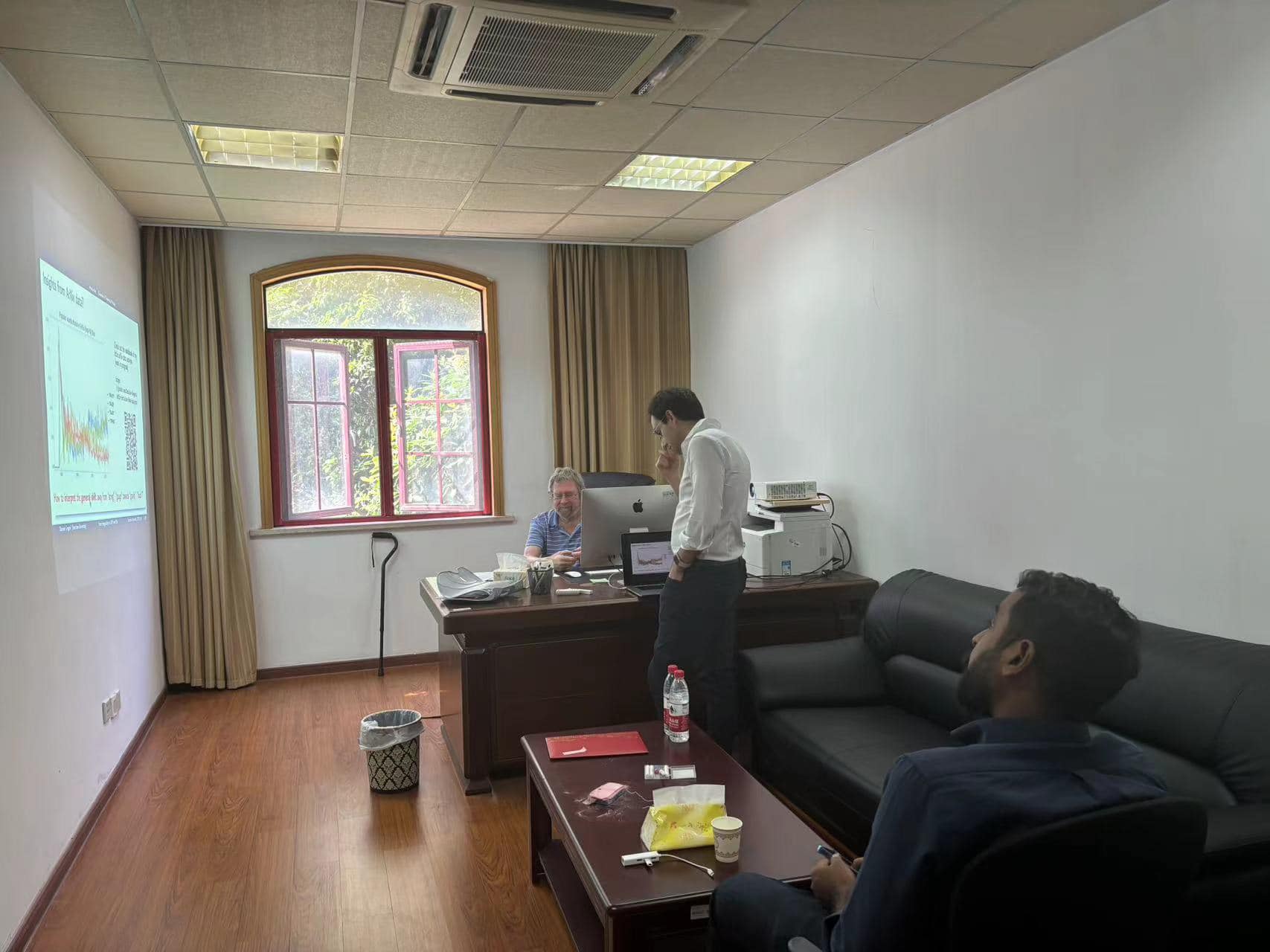
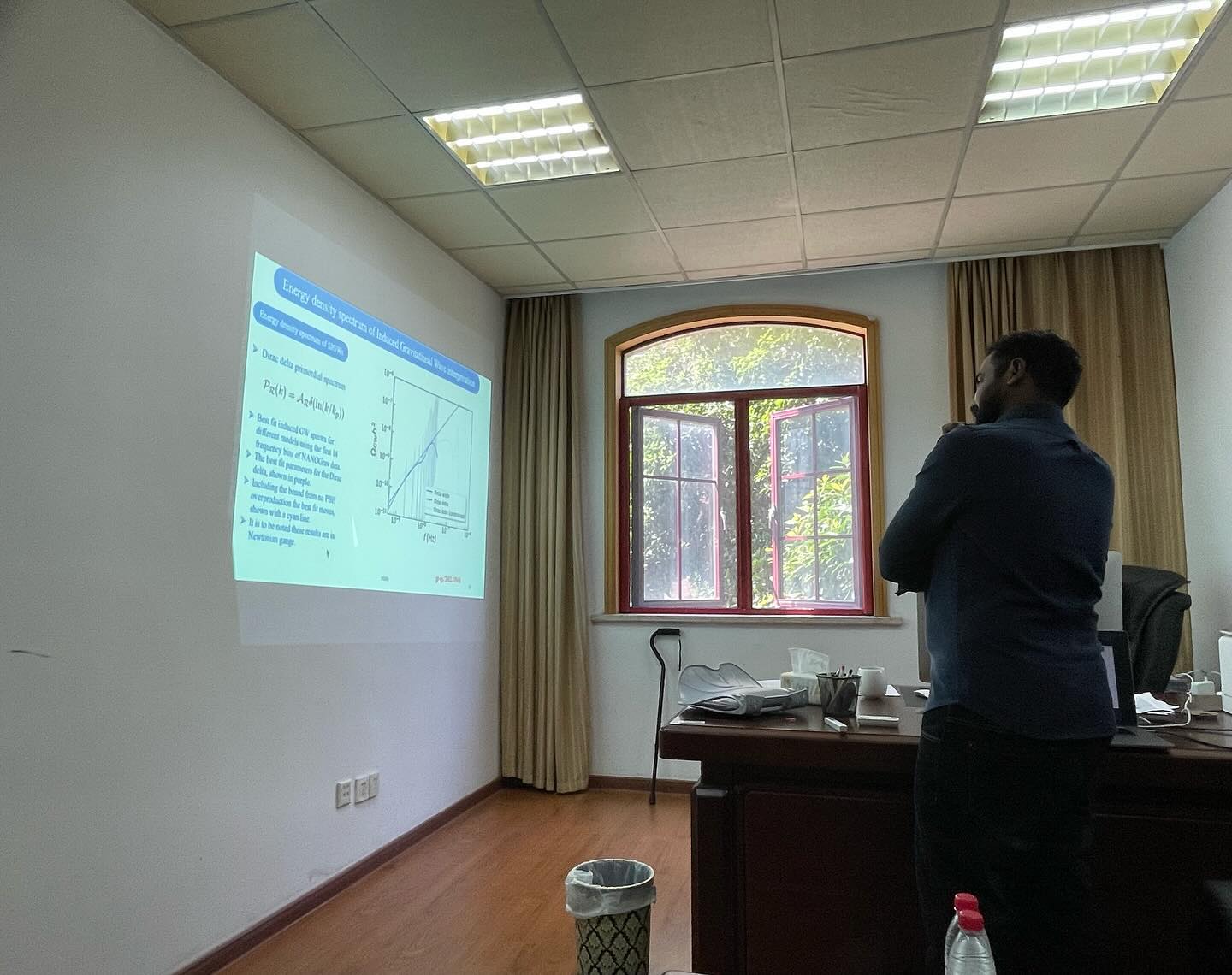
How is that possible? How could Dr. Gregori dare to report such comments?? Of course, after 2:30 hours of intense discussion, it is physiologically necessary for anyone to take a break. However, there is perhaps a more general lesson to take in…GW observations constitute “a new window to the Universe”, opened to earthlings only since 2015. It is necessary for the new generations to learn more about that and thus become able to teach the old.
In natural science there is no single “Pope” or “IAS” — repository of “infallibility” or “omniscience”. Rather, it is collaboration and expertise integration which allow, slowly but surely, to advance.